From B-Side to Chart-Topper: The Enduring Flame of Elvis Presley's Burning Love
The King of Rock and Roll, Elvis Presley, had a career marked by countless iconic hits, but few burn with the vibrant, passionate energy of "Burning Love." This exhilarating track, released in 1972, not only became one of Presley's most recognizable anthems but also marked a significant point in his storied career. It was a potent reminder of his ability to command the charts, an energetic rock and roll revival that captured the hearts of a new generation while delighting his long-time fans. The story of "Burning Love" is one of unexpected success, a hidden gem on a B-side that blazed its way to the top, cementing its place as Elvis's biggest hit in the United States since "Suspicious Minds" and his last Top 10 hit on the American Hot 100.
The Genesis of a Rock Anthem: Arthur Alexander's Original Spark
While Elvis Presley undoubtedly made "Burning Love" his own, the song's roots lie with another talented artist: country soul singer Arthur Alexander. Born in Florence, Alabama, Alexander was a prolific songwriter and performer whose work often blended country storytelling with R&B rhythms. His original rendition of "Burning Love" was recorded in 1972, offering a slightly different flavor than the version that would later dominate the airwaves.
Alexander's take on "Burning Love" was infused with a raw, earnest country-soul sensibility. It showcased his distinctive vocal style and a more understated production, characteristic of the era's burgeoning Nashville sound, yet with a soulful edge. While Alexander's version was respected within music circles, it didn't achieve widespread commercial success. This isn't uncommon in music history; often, a song finds its true commercial potential in the hands of a different artist, whose unique interpretation or larger platform can propel it into the mainstream. Alexander’s contribution, however, remains crucial, laying the foundational melody and lyrical structure that Elvis would later build upon. It's a testament to the song's inherent quality that it could resonate so strongly across different musical styles and performers.
Unpacking Burning Love: Elvis Presley's 1972 Hit and Its Roots further details the song's journey from its initial conception to its global fame.
Elvis in '72: A King Rekindles the Flame
By 1972, Elvis Presley was firmly established in his Las Vegas residency era, performing to sold-out crowds and embracing a more theatrical stage presence. While his live performances were legendary, his recording output during this period often varied, with many releases comprising movie soundtracks or more subdued ballads. However, the recording sessions in Nashville in March 1972, particularly on March 28th, proved to be different. This session, held at RCA's Nashville studios, saw Elvis injecting a raw, unadulterated rock and roll energy back into his music, and "Burning Love" was a prime example.
Elvis's rendition of "Burning Love" was a departure from some of his recent material. It was a high-octane, guitar-driven track that allowed him to unleash his powerful vocals with unbridled passion. The song perfectly suited his dynamic stage persona, full of bluesy inflections and rockabilly swagger, even in a more mature phase of his career. It felt like a return to his roots, reminiscent of his earlier, electrifying performances, but with the polished production of the early 70s. The backing musicians, a blend of Elvis's touring band and Nashville session aces, provided a driving rhythm section and searing guitar riffs that perfectly complemented Elvis's fervent delivery.
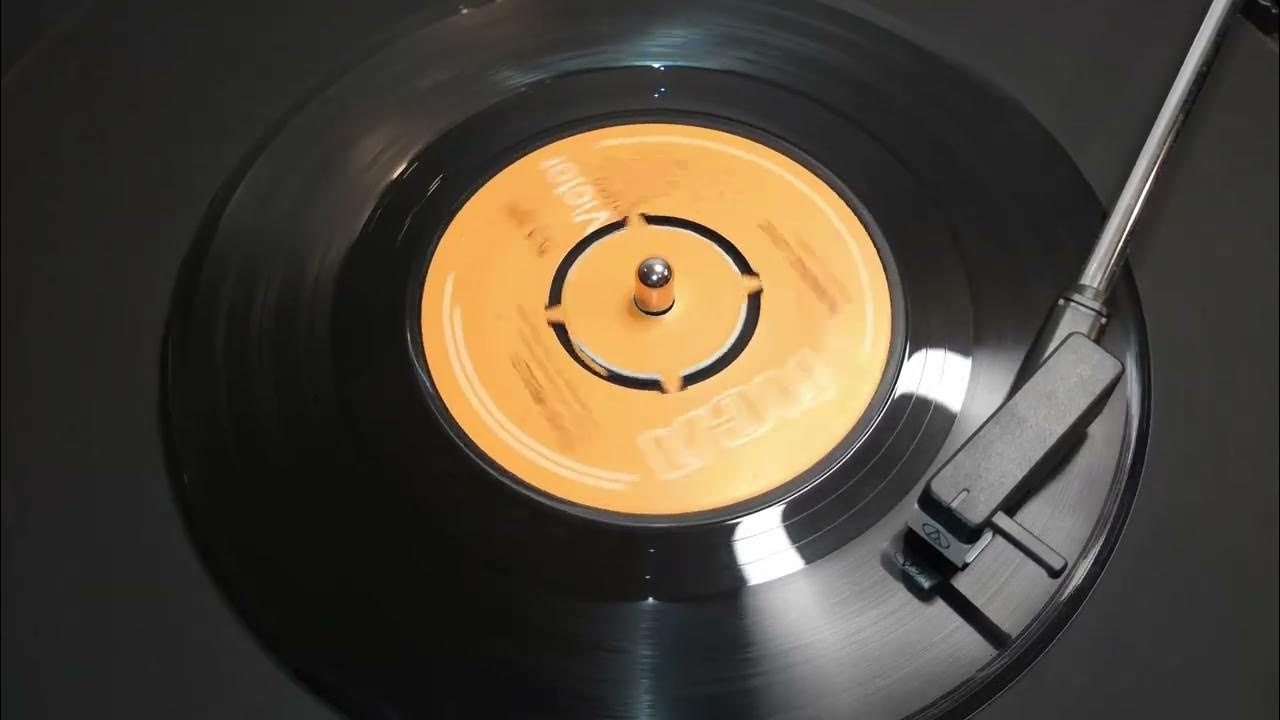
Initially, "Burning Love" was not even positioned as the A-side single. It was first released as the B-side to "It's a Matter of Time" on August 1, 1972. This often happens when record labels are unsure which track will resonate most with the public or when they want to push a different sound. However, the infectious energy and undeniable catchiness of "Burning Love" quickly caught on. Radio DJs and listeners gravitated towards its upbeat tempo and passionate lyrics, and it wasn't long before the B-side began to overshadow its intended counterpart, eventually leading to its re-release as a standalone hit. Its subsequent inclusion on the album "Burning Love and Hits from his Movies: Volume 2" further solidified its status as a cornerstone of Elvis's discography. This trajectory from a B-side to a dominant chart presence highlights the organic power of a great song and a compelling performance.
Anatomy of a Chart-Topper: Why "Burning Love" Resonated
What was it about "Burning Love" that allowed it to become such a massive hit for Elvis? Several factors contributed to its meteoric rise:
*
Unleashed Energy: The song is a blast of pure rock and roll energy. From the opening guitar riff to the pounding drums and the gospel-tinged backing vocals, "Burning Love" is relentless in its excitement. It offered listeners a vibrant, optimistic sound at a time when music was becoming increasingly diverse and often more introspective. Elvis’s delivery is nothing short of electrifying; he sounds fully invested and revitalized.
*
Simple, Relatable Lyrics: The lyrics are straightforward, expressing an overwhelming, almost comedic, level of infatuation: "I'm just a hunk, a hunk of burning love." This directness and passionate imagery were universal and instantly relatable. It taps into the euphoria of new romance with an almost childlike glee, making it incredibly endearing.
*
Iconic Instrumentation: The song features a memorable guitar riff that kicks off the track and recurs throughout. The interplay between the electric guitars, bass, and drums creates a tight, driving groove that is impossible not to move to. The "wah-wah" pedal guitar effect adds a contemporary touch for the early 70s, making it sound fresh and modern.
*
Elvis's Vocal Prowess: Even in his later career, Elvis's vocal range and power were undeniable. On "Burning Love," he shifts effortlessly between a soulful croon and a full-throated rock scream, showcasing his versatility and control. The backing vocals, particularly the high harmonies, provide a perfect counterpoint to his lead, adding to the song's anthemic quality. It truly felt like Elvis was back in his rock and roll prime, a sentiment that resonated deeply with fans and critics alike.
*
A Return to Rock: For many, "Burning Love" was a welcome return to the raw, visceral rock and roll that defined Elvis's early career. After years of ballad-heavy movie soundtracks and more mature pop material, this track reminded the world of his foundational power as a rock performer. It demonstrated that The King could still deliver a pure, unadulterated rock anthem with unmatched charisma.
This combination of factors made "Burning Love" irresistible, a track that stood out boldly on the airwaves and demanded attention.
The Enduring Legacy of "Burning Love"
"Burning Love" quickly ascended the charts, reaching number 2 on the Billboard Hot 100 in the United States. This made it Presley's biggest hit single since his 1969 comeback anthem, "Suspicious Minds," and, significantly, his last Top 10 hit on the American Hot 100. While Elvis would continue to release successful songs and albums, none would achieve the same mainstream chart impact in the U.S. singles market.
The song's legacy, however, extends far beyond its chart performance. "Burning Love" became a staple of Elvis's live shows, often used as an electrifying opener or a crowd-pleasing encore. Its energy perfectly suited his Vegas performances, allowing him to interact dynamically with his audience. For fans, it's a definitive track from his early 70s period, capturing the essence of his powerful stage presence and vocal command.
In popular culture, "Burning Love" has maintained its vibrancy. It has been featured in numerous films and television shows, introducing it to new generations. Perhaps most famously, it was prominently featured in Disney's 2002 animated film *Lilo & Stitch*, where Stitch channels his inner Elvis, rekindling the song's appeal for a family audience. This exposure cemented its status as a timeless classic, demonstrating its ability to transcend its original era and artist. Many artists have covered "Burning Love" over the years, from Wynonna Judd to Melissa Etheridge, each adding their unique spin while paying homage to the original fire.
Burning Love: The Story Behind Elvis Presley's Last Top 10 Hit offers an even deeper dive into the specific circumstances surrounding this momentous achievement.
Conclusion
From its humble beginnings as an Arthur Alexander composition and an Elvis Presley B-side, "Burning Love" defied expectations to become one of the most iconic and beloved songs in The King's vast discography. It stands as a testament to Elvis's enduring power, his ability to inject unparalleled passion and charisma into any track, and his timeless appeal as a rock and roll legend. More than just a hit, "Burning Love" is a vibrant, fiery declaration of passion that continues to captivate listeners, ensuring that the flame of Elvis Presley's musical legacy burns on, bright and eternal.