Unpacking Burning Love: Elvis Presley's 1972 Hit and Its Roots
"Burning Love" stands as a monumental track in Elvis Presley's vast discography. Released in 1972, this fiery rock and roll anthem not only showcased the King's enduring charisma but also marked a significant point in his career trajectory. It was a jolt of pure energy, a raw, passionate declaration of affection that resonated deeply with audiences worldwide. More than just a hit, Burning Love became a symbol of Elvis's ability to reinvent and reclaim the spotlight, reminding everyone why he was, and always would be, the King of Rock and Roll. Its infectious rhythm and powerful vocals captured a timeless exuberance that continues to captivate listeners decades later, underscoring its pivotal role in both Elvis's story and the broader landscape of rock music.
The Genesis of Burning Love: From Soulful Roots to Rock Royalty
The fascinating journey of "Burning Love" begins not with Elvis, but with the talented country-soul artist Arthur Alexander. Born in Florence, Alabama, Alexander was a prolific songwriter and performer whose unique blend of country storytelling, rhythm and blues groove, and soulful vocals earned him a place as a foundational figure in the development of Southern soul music. His original recording of "Burning Love" laid a solid, soulful groundwork, demonstrating the song's inherent melodic strength and lyrical charm. Alexander's version, while less commercially successful than Presley's, carried a distinct, gritty authenticity that highlighted the song's potential.
However, it was Elvis Presley, ever the astute interpreter of song, who propelled "Burning Love" into the global consciousness, transforming it into an iconic rock anthem. Elvis recorded the song on March 28, 1972, at RCA's historic Studio B in Nashville, Tennessee. This session was a pivotal moment, as Elvis, backed by his formidable TCB Band (including James Burton on lead guitar, Glen D. Hardin on piano, and Ronnie Tutt on drums) and some of Nashville's finest session musicians, infused the track with an undeniable power and intensity. The raw energy of the recording captured a vibrancy that had perhaps been less prominent in some of his more ballad-heavy releases of the preceding years. It marked a conscious and triumphant return to the electrifying rock and roll sound that defined his early career, yet delivered with the maturity, vocal prowess, and undeniable charisma of a seasoned superstar. The combination of Alexander's original vision and Elvis's unparalleled performance created a masterpiece that transcended its initial genre.
A Fiery Resurgence: "Burning Love" and Elvis's Chart Dominance
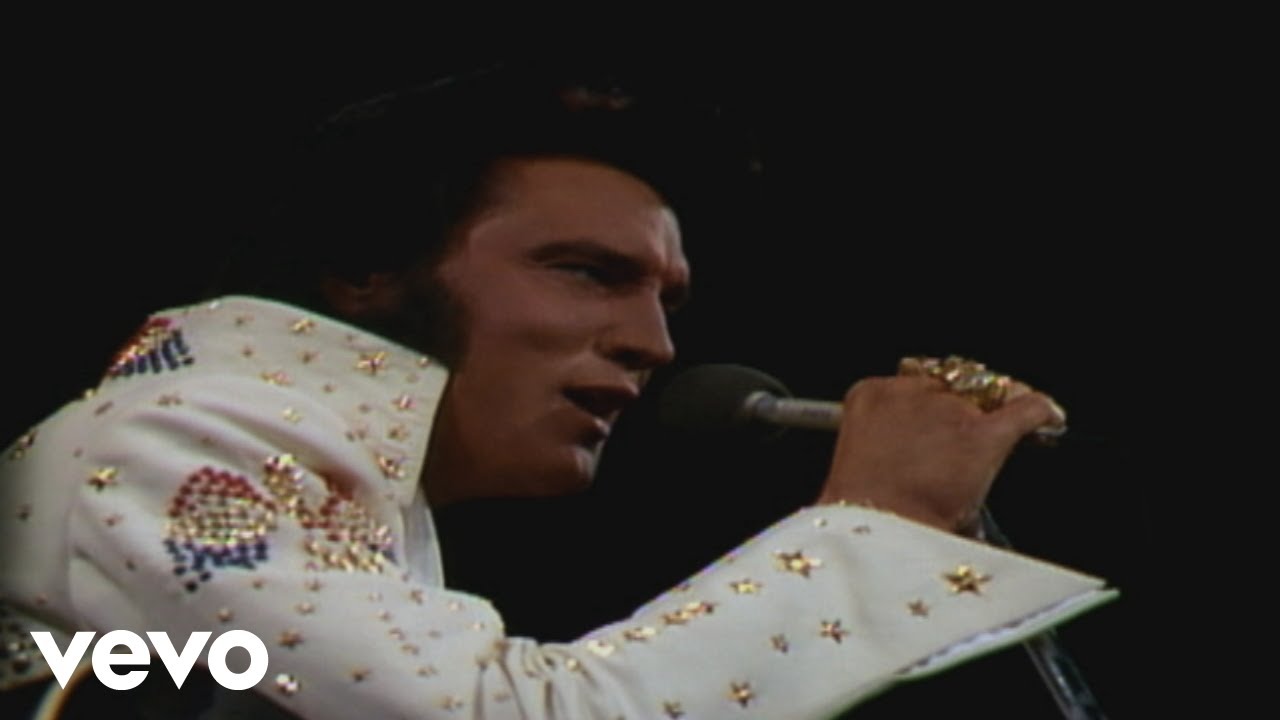
By 1972, Elvis Presley was firmly in his Las Vegas residency era, often performing in his signature jumpsuits and commanding grand stages with a blend of classic rock, pop ballads, and gospel. While his live shows were legendary, his recording output sometimes veered towards more middle-of-the-road pop and easy-listening tracks. "Burning Love" arrived like a meteor, smashing through expectations and reminding critics and fans alike of Elvis's unadulterated rock and roll roots and his ability to deliver pure, unadulterated energy.
Released on August 1, 1972, "Burning Love" initially appeared as the B-side to the single "It's a Matter of Time." In a classic example of a song's sheer appeal overriding label decisions, the infectious energy of "Burning Love" quickly overshadowed its intended A-side. Radio stations and jukebox operators, responding to overwhelming public demand, began flipping the record and playing "Burning Love" instead. This organic groundswell of popularity quickly propelled the song up the charts with astonishing speed.
It soared, becoming Elvis's biggest hit single in the United States since the iconic "Suspicious Minds" in 1969. More poignantly, it would be his last Top 10 hit on the American Hot 100, peaking at number two. This makes the song an incredibly significant marker in his illustrious career, representing a final, powerful surge of mainstream chart success in an evolving musical landscape. Its subsequent inclusion on the album Burning Love and Hits from his Movies: Volume 2 further solidified its importance within his discography. The sheer impact of this track, particularly after its humble beginnings as a B-side, is a testament to its undeniable appeal and Elvis's magnetic performance. For more on its fascinating journey from underdog to chart-topper, consider exploring From B-Side to Chart-Topper: The Rise of Elvis Presley's Burning Love.
The Significance of "Last Top 10 Hit"
While "Burning Love" marked Elvis's final foray into the Top 10 of the Billboard Hot 100, it's crucial to understand this in context. It wasn't a sign of diminishing popularity but rather a reflection of changing music trends and radio formats in the mid-1970s. Elvis remained a massive concert draw, selling out arenas worldwide, and his albums continued to sell well. "Burning Love" was his final roar of contemporary chart relevance, a testament to his adaptability and enduring appeal even as rock and pop music shifted. It cemented his place as an artist who could still deliver a cutting-edge rock track when he chose to.
The Anatomy of a Hit: Musicality and Elvis's Performance
What made "Burning Love" such an instant classic and a standout in Elvis's repertoire? Musically, the song is a masterclass in straightforward, energetic rock and roll, perfectly tailored to Elvis's strengths. The arrangement, under the guidance of producer Felton Jarvis, was crisp, powerful, and impeccably executed.
Driving Rhythm Section:
The track is propelled by a relentless, galloping beat, typical of rock anthems, featuring a strong, propulsive bassline and punchy drums that make it impossible not to tap your feet or dance. Ronnie Tutt's drumming is particularly noteworthy, providing a dynamic foundation that underpins the entire track.Crisp Guitar Riffs:
James Burton's prominent electric guitar riffs are sharp, memorable, and provide undeniable hooks that stick in the listener's mind. His fills are tasteful yet powerful, adding layers of rock energy without ever overpowering Elvis's vocals.Gospel-infused Background Vocals:
The powerful backing vocals, featuring groups like The Imperials and The Sweet Inspirations, add a rich, soulful layer, a hallmark of many of Elvis's later hits. These harmonies elevate the chorus to an anthemic status, creating a wall of sound that is both soaring and impactful.
But it's Elvis's vocal performance that truly ignites the song. He delivers the lyrics – a passionate declaration of being consumed by love – with an unbridled enthusiasm, a palpable sense of fun, and unwavering conviction. His voice is strong, clear, and full of power, effortlessly navigating the higher notes and injecting every line with his signature swagger and charisma. He's not just singing about love; he's *feeling* it, and that authenticity is contagious. The production allowed each instrument and, crucially, Elvis's voice, to shine through with maximum impact, resulting in a vibrant, timeless recording.
"Burning Love": A Lasting Flame in Pop Culture
Even decades after its release, "Burning Love" continues to resonate, firmly cemented in the pantheon of rock and roll classics. Its enduring popularity stems not only from its infectious melody and Elvis's iconic performance but also from its timeless theme of passionate, overwhelming love, delivered with an undeniable swagger. It's a song that epitomizes exuberance and romantic fervor, making it universally appealing.
The song has transcended its original era, finding new life and relevance in various cultural contexts:
- Film & Television: Perhaps most famously, "Burning Love" was prominently featured in the Disney animated film Lilo & Stitch (2002), which introduced Elvis's music to an entirely new generation of fans. Its upbeat tempo and joyful, heartfelt lyrics made it a perfect fit for the film's playful spirit and themes of unconventional love. It has also appeared in countless other movies and TV shows, often used to evoke a sense of nostalgic Americana, pure, unadulterated passion, or a celebratory mood.
- Commercials & Media: Its immediately recognizable chorus and energetic vibe make it a favorite for advertisers looking to inject enthusiasm, a classic rock feel, and a sense of fun into their campaigns. Its powerful message is adaptable to various brands and products.
- Cover Versions: Many artists across various genres have covered "Burning Love," a testament to its strong songwriting and universal appeal. These covers, while paying homage to the original, often bring fresh interpretations to the track, further extending its reach and ensuring its longevity in popular music.
Pro Tip for Fans: To truly appreciate the song's impact, listen to Arthur Alexander's original version and then immediately follow it with Elvis's recording. The comparison highlights Elvis's genius as an interpreter and the transformative power of his performance. Also, for a deeper dive into the unique historical context and personal significance of this track within the King's career, we highly recommend reading Burning Love: The Story Behind Elvis Presley's Last Top 10 Hit.
In conclusion, "Burning Love" is far more than just another entry in Elvis Presley's legendary catalog. It's a vibrant, essential piece of his legacy, representing a powerful return to his rock and roll roots at a critical juncture in his career. From its origins with Arthur Alexander to Elvis's electrifying 1972 rendition, the song defied its B-side status to become a chart-topping sensation and his final, resounding Top 10 hit. Its raw energy, infectious melody, and Elvis's passionate delivery ensured its place not only in music history but also as an enduring anthem of love and pure rock and roll joy. As long as there are hearts that burn with passion, "Burning Love" will continue to ignite listeners, a testament to the King's timeless appeal and his unparalleled ability to make a song his own.